Category: News

Exploring the art of living well, cultural developments, and digital transformation.

format_quote

"Simplicity is the ultimate sophistication."

— Leonardo da Vinci

format_quote
News

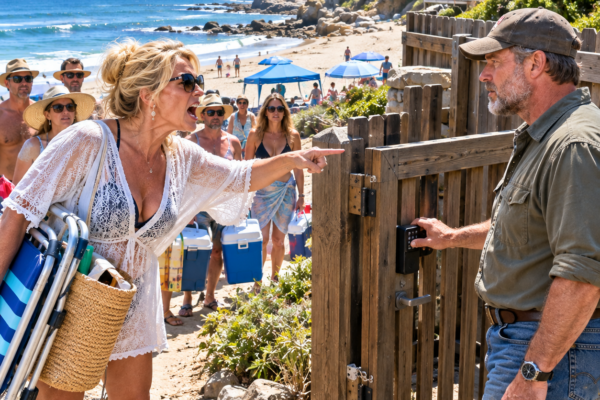
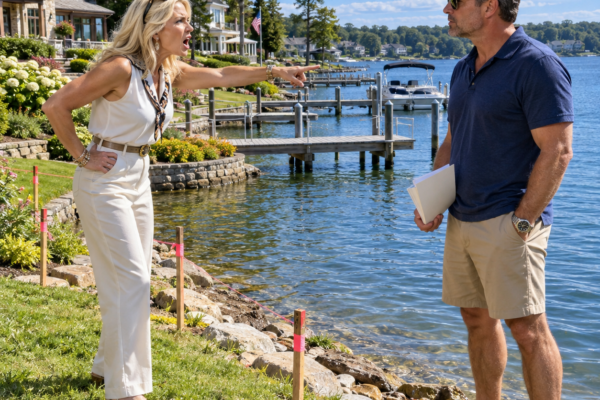
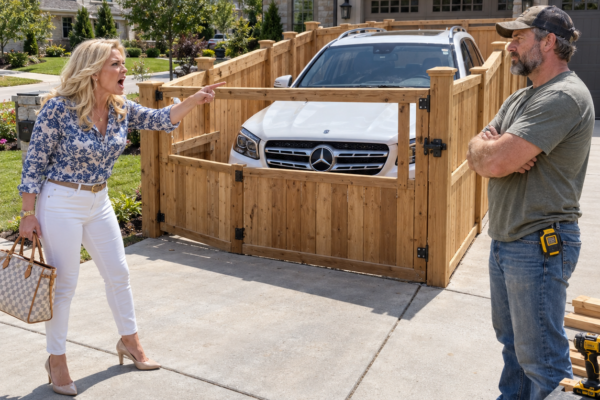
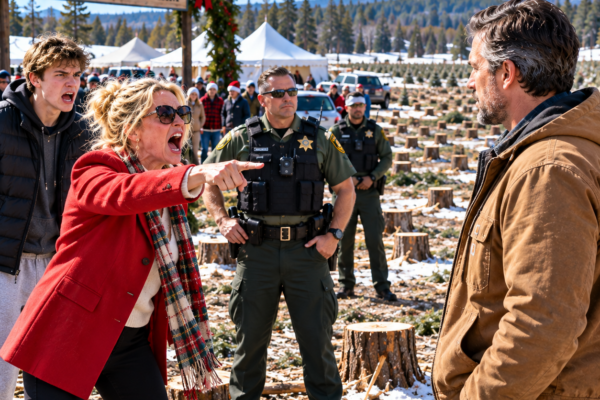
HOA Karen Kept Parking in My Driveway—Then Saw What I Built Around Her SUV “MOVE YOUR DAMN TRUCK! I DON’T CARE IF THIS IS YOUR DRIVEWAY! I’M THE HOA PRESIDENT, AND I’LL PARK WHEREVER THE HELL I PLEASE!” Karen Mitchell stood beside her white luxury SUV, jabbing a manicured finger toward my chest as if she were ordering an employee to clean up a mess. “Who do you think you are, telling me where I can park?” she shouted. “I’ve been running this neighborhood for six years! You’re just another homeowner who thinks paying a mortgage makes him important!” I looked at her SUV. It was parked diagonally across the entrance to my garage, blocking the exact spot I needed to get my truck out. Again. For the fourth time in a month. “Karen, I’ve asked you repeatedly not to block my driveway.” She laughed. “And I’ve repeatedly told you I don’t care! You want to live in a nice community? Then learn to respect the people who manage it!” Several neighbors had stopped along the sidewalk. Karen noticed them and raised her voice. “Everybody, take a good look! This is the kind of selfish attitude that ruins a neighborhood. I stop here for five minutes, and this man acts like I committed a federal crime!” I held up my phone. “I’ve got photographs of every time you’ve blocked me in.” Her smile turned vicious. “Oh, wonderful. The neighborhood photographer! What’s next? Are you going to cry to the police because a successful woman parked on your precious little driveway?” A few people looked away. Nobody laughed. Karen stepped closer. “Listen carefully, sweetheart. I approve what gets built around here. I decide which homeowners receive violations. And if you keep embarrassing me, I’ll make sure your property becomes the most inspected house in this subdivision!” I looked toward the unfinished stonework beside my garage. For weeks, I’d been considering a permanent improvement to the driveway entrance. Something attractive, properly measured, and built entirely within my property boundaries. Karen followed my gaze. “What are you looking at?” “Nothing you need to worry about.” She snorted. “Good. Because if you’re thinking about putting up some ugly little fence to keep me out, forget it. I’ll have the board tear it down.” I looked at the white SUV again. Then back at her. “Karen, I’m asking one last time. Please move your vehicle.” She folded her arms. “Make me.” I didn’t argue. I stepped aside and watched her climb into the SUV. Before driving away, she rolled down the window. “Maybe tomorrow I’ll park here all day. What are you going to do about it?” I glanced once more at the stonework near my garage. Then I answered quietly. “I’m going to finish something I should’ve built a long time ago.” Karen laughed as she drove away. She thought I’d finally accepted defeat. What she didn’t know was that I’d already been studying my property survey, checking the building requirements, and speaking with a local masonry supplier. And the next time she came looking for her favorite parking spot, she was going to discover that my driveway looked very different. Type “YES” if you want to read Part 2 and see how the story ends 👇👇👇 The first time Karen Mitchell parked in my driveway, I genuinely believed it was a misunderstanding. I’d lived in Briarwood Estates for almost eleven years. It was a quiet suburban neighborhood with tree-lined streets, tidy front lawns, and houses set far enough apart that you could enjoy your backyard without hearing every conversation next door. I wasn’t particularly interested in neighborhood politics. I paid my HOA dues, maintained my property, and attended meetings when something important appeared on the agenda. Most days, I left for work shortly after seven, returned in the late afternoon, and spent my evenings in the garage or on the back patio. My house wasn’t the largest in the subdivision. It wasn’t the smallest either. It was a comfortable two-story brick home with a wide driveway leading to a double garage. The driveway was one of the reasons I’d purchased it. I owned a full-size pickup and used it regularly for work, home repairs, and hauling materials. I liked being able to back out without squeezing between parked cars or negotiating around other vehicles. That seemed like a reasonable expectation. After all, it was my driveway. The concrete lay inside my recorded property boundaries. I’d paid to have portions repaired several years earlier, and I handled its maintenance myself. There had never been any suggestion that it was communal parking. Not until Karen decided she liked the spot. She lived three streets away in a much larger house with a circular driveway and a three-car garage. Her own property had plenty of parking. But my driveway sat close to a pedestrian path leading toward the community’s small garden area. Karen liked using that path when visiting neighbors or checking association landscaping. Parking on my driveway apparently saved her a short walk. The first time I found her white SUV there, she was standing beside the vehicle talking on her phone. I pulled up behind it and waited. She noticed me but kept talking. After another minute, I lowered my window. “Excuse me. Could you move your vehicle?” She held up one finger. I waited. Eventually, she ended the call and turned toward me. “Yes?” “That’s my driveway.” She glanced at the concrete beneath her vehicle. “I’m aware.” “Could you move? I need to get into the garage.” She sighed as though I had interrupted something terribly important. “I’m only stopping for a few minutes.” “I understand, but you’re blocking the entrance.” She looked at my truck. Then at the garage. “Can’t you just park on the street?” I thought I’d misheard her. “What?” “Park on the street until I finish.” I stared at her. “Karen, this is my driveway.” “And I’m the HOA president.” She said it as though that settled the matter. I waited for her to explain what being president had to do with blocking somebody’s garage. She didn’t. Instead, she pulled out her keys. “Honestly, some people make such a fuss over nothing.” She climbed into the SUV and moved it. I thanked her. She didn’t respond. At the time, I assumed that was the end of it. I was wrong. Six days later, I came home and found the SUV in nearly the same position. This time Karen wasn’t anywhere nearby. Her vehicle sat diagonally across the driveway entrance, leaving barely enough room for someone to walk past. I parked legally along the street and called her. She answered after several rings. “Yes?” “Karen, your SUV is blocking my driveway again.” There was a pause. Then an irritated sigh. “I’m in the middle of something.” “I need to get into my garage.” “Well, you’ll have to wait.” “How long?” “Don’t know.” I looked at the empty vehicle. “Could you come move it now?” She laughed. “Do you have absolutely no patience?” “I’m asking you not to park on private property without permission.” “It’s five minutes.” “It was more than five minutes last time.” She became sharp. “Are you timing me?” “No. I’m trying to use my driveway.” “Good grief. I’ll be there when I can.” The call ended. She appeared twenty minutes later. No apology. No explanation. She walked past me, opened her door, and climbed in. Before leaving, she lowered her window. “You know, neighbors are supposed to accommodate each other.” I looked at her. “Accommodating somebody occasionally is different from having my driveway blocked whenever they feel like it.” She shook her head. “You’re going to have a difficult time living here with that attitude.” Then she drove away. I photographed the location before moving my truck inside. I also made a note of the date and time. Not because I planned to start a feud. Because the second incident had shown me that Karen didn’t regard my earlier request as something she needed to respect. She thought it was an inconvenience she could ignore. The third incident happened the following week. This time, she blocked me in. I had an early appointment, and when I opened the garage door, her SUV was parked across the driveway. I couldn’t get my truck out. I called her. No answer. I sent a text. Karen, your SUV is blocking my garage. Please move it immediately. Nothing. I waited several minutes, then sent another message. Still no reply. Eventually, I saw her walking along the sidewalk with another HOA board member. I stepped outside. “Karen!” She turned. “Good morning.” “Your SUV is blocking my garage.” She glanced toward the vehicle. “Oh, that.” “Yes. That.” She looked at her companion. “Can you believe this? Every time I stop near his house, he acts like the world is ending.” The other woman looked uncomfortable. I kept my voice level. “I’m supposed to leave for an appointment.” Karen waved a hand. “Then leave.” “I can’t. Your vehicle is blocking mine.” She stared at me. Then she smiled. “Maybe you should get a smaller truck.” I felt my jaw tighten. “Karen, please move.” She took her time. She finished speaking with the board member. She checked her phone. Then she walked toward the SUV. When she finally moved it, I was late. That evening, I sent a written message requesting that she stop using my driveway as parking. I attached photographs showing the three incidents. I kept the wording polite. I explained that the driveway was private property and that her parking interfered with my ability to enter and leave. Karen didn’t respond directly. Instead, she forwarded my message to several HOA board members with a note describing me as an unusually confrontational homeowner. A neighbor who had seen the forwarded message told me about it later. That’s when I realized Karen wasn’t simply being careless. She was turning a straightforward property boundary into a test of authority. And she expected me to lose. I first understood how far Karen’s sense of entitlement went at a neighborhood gathering the following Saturday. A few residents were meeting near the community garden to discuss landscaping improvements. I had stopped by to speak with a neighbor about replacing some damaged drainage stones. Karen was standing in the middle of a small group, holding a clipboard. When she saw me, she smiled. Not the smile people use when they’re happy to see someone. The smile of a person who has found an opportunity to embarrass someone publicly. “Well, look who’s here.” I nodded. “Morning.” She turned toward the others. “Everyone, this is our resident parking enforcement officer.” A few people looked confused. I said nothing. Karen continued. “He’s apparently decided that every inch of concrete in the neighborhood is sacred territory.” I looked at her. “Are you talking about my driveway?” She laughed. “See? He’s obsessed.” One man near the garden fence frowned. “What’s going on?” Karen rolled her eyes. “I stopped near his garage for a couple of minutes, and he started threatening me with photographs.” “I asked you not to block my driveway.” She raised her voice. “Oh, please! I was conducting official HOA business.” “That doesn’t change where the property line is.” She placed her clipboard against her hip. “Actually, as president, I have certain responsibilities that require access throughout the community.” “Access to shared areas, perhaps. Not permission to block someone’s private garage.” Her expression darkened. “Are you questioning my authority?” “I’m asking you to park somewhere else.” A neighbor named Thomas Reed spoke up. “That seems reasonable.” Karen turned sharply. “Thomas, this is association business.” “It’s his driveway.” “I know whose driveway it is!” She looked around the group. “This is exactly the problem with certain homeowners. Everybody wants the benefits of a managed community, but nobody wants to show the slightest flexibility.” I took a breath. “Karen, you have a large driveway at your own house.” She blinked. “What does that have to do with anything?” “You could park there and walk.” A couple of neighbors lowered their eyes. One almost smiled. Karen’s face flushed. “I’m not walking three streets because you have some ridiculous obsession with your precious concrete.” I looked at her. “Then use a legal parking space.” She stepped closer. “Be careful.” “About what?” “Your attitude.” I waited. She lowered her voice. “The HOA has plenty of ways to make life difficult for homeowners who refuse to cooperate.” There it was. The threat I’d been expecting. I looked directly at her. “Are you threatening to use association enforcement because I asked you not to block my driveway?” She straightened. “I am reminding you that community living requires respect.” “Then respect my property.” For a moment, nobody spoke. Karen’s expression hardened. She turned away. “This conversation is over.” I left shortly afterward. But I wasn’t going to keep repeating the same argument every week. I needed a permanent solution. My driveway had an unfinished stone border near the garage. Several years earlier, I’d started improving the entrance with dark gray masonry blocks that matched the brickwork on the house. The original plan included decorative stone pillars and a low wall along one side. I’d finished the first section, then put the project aside when work became busy. The remaining materials had sat beneath a tarp near the garage. After the third parking incident, I began looking at the design again. The driveway was wide, with an open paved section near the front that made it convenient for Karen to leave her SUV diagonally across the entrance. Her vehicle didn’t merely stop on the street. She pulled onto the broad paved approach, using part of my private property as though it were an overflow parking area. A properly designed stone boundary could define the edge more clearly and change the layout so that the open area no longer looked like a convenient place to stop. I’d wanted to finish that improvement for years. Karen had simply given me another reason to prioritize it. But I wasn’t interested in building something illegal or unsafe. I wasn’t going to put obstacles around a vehicle, trap anyone’s property, or create a hazard at the road. A driveway wall needed to comply with local building and setback requirements. It needed to preserve safe visibility for vehicles. And it needed to remain entirely within the area I had the right to improve. I found my recorded survey and reviewed the property lines. Then I checked the applicable local requirements and submitted the necessary information for the masonry project. I also reviewed the HOA’s architectural guidelines. The documents addressed exterior improvements, including stonework and boundary features. I wanted the project to be properly approved. Not because Karen deserved another opportunity to control my property, but because I didn’t want a legitimate improvement to become vulnerable to a justified complaint. The design was simple. Two substantial stone pillars, a connecting low wall along the side of the driveway, and a finished border that clearly separated my parking area from the pedestrian approach. It would look like an intentional architectural feature rather than a defensive barricade. And once complete, there would be no broad, undefined paved area for Karen to use as her personal parking spot. I contacted a local masonry supplier. Then I hired a small crew to help with the foundation and installation. The supplier confirmed the availability of dark gray stone blocks that matched the existing work. I scheduled delivery. And I waited for the approvals to be finalized. Karen returned the following Tuesday. This was the fourth incident. I had just finished breakfast when I heard an engine outside. Through the front window, I saw her white SUV turn into my driveway. She stopped almost exactly where she’d parked before. I stood there for a moment. Then I walked outside. Karen was climbing out of the driver’s seat. She saw me and smiled. “Good morning!” I looked at the vehicle. “Karen, we’ve already discussed this.” She closed the door. “Discussed what?” “My driveway.” “Oh, not this again.” I pointed toward the garage. “Your SUV is blocking access.” She crossed her arms. “I’m only stopping for a few minutes.” “Then please park somewhere else.” She rolled her eyes. “Honestly, you need to learn how a well-managed neighborhood works.” I looked at her. “What does that have to do with parking on my property?” “Everything. Association officials need flexibility to conduct business.” “Your position doesn’t give you a right to block private driveways.” She laughed. “That’s your interpretation.” “No, Karen. The driveway is part of my recorded property.” She looked toward several neighbors who were walking along the sidewalk. Then she raised her voice. “Did everyone hear that? Apparently, I’m not allowed to conduct HOA business because this man thinks he owns the entire road!” I kept my voice calm. “I’m talking about my driveway.” She took a step closer. “You think you’re going to tell me where I can park?” “I’m asking you to move your vehicle.” She pointed toward my garage. “Maybe you should be more accommodating. This is a community, not your private kingdom.” I glanced at the SUV. Then toward the sidewalk. Two neighbors had stopped to watch. Karen noticed and seemed encouraged. “You know what? I’m tired of this attitude.” I waited. She continued. “If you have a complaint, take it up with the HOA board.” “Karen, you’re the president.” “Exactly.” She smiled triumphantly. “Now you’re beginning to understand.” I shook my head. “I’m asking one last time. Please move.” She folded her arms. “Make me.” I didn’t respond. I looked at the unfinished stone border near the garage. I thought about the approved plans. The delivery scheduled for the following morning. The measurements marked on my survey. Karen followed my gaze. “What are you looking at?” “An improvement I’m finishing.” She snorted. “You’d better get approval for anything you build.” “I have.” Her smile faltered. “What?” “The plans have been reviewed.” She stared at me. Then she waved a dismissive hand. “Whatever. Just don’t make this neighborhood look any uglier than it already does.” She climbed into the SUV. Before leaving, she lowered the window. “And next time I need to park here, I will.” I watched her drive away. Then I went into the garage, unfolded my drawings, and prepared for the delivery. The truck arrived shortly after nine the next morning. It carried pallets of dark gray stone blocks, mortar materials, and the supplies required for the project. My masonry contractor, Luis Herrera, arrived with two workers. He stepped out of his pickup and looked at the driveway. “Morning.” “Morning, Luis.” He studied the plans. “Still want the pillars here?” “Exactly where we marked them.” He nodded. “We’ll verify the measurements before we start.” We reviewed the property survey, the approved layout, and the work area. The design kept the required driveway clearance and did not interfere with the public sidewalk or street visibility. Luis marked the locations. His crew set up the work area. We began preparing the foundation for the first pillar. By late morning, several neighbors had stopped to look at the pallets. Thomas Reed approached from across the street. “Building a castle?” I laughed. “Finishing the driveway border.” He examined the stone. “Looks expensive.” “Not cheap.” “What’s the occasion?” “Been putting it off for years.” He looked toward the open section of pavement. Then smiled. “Ah.” I raised an eyebrow. “What?” “Nothing.” He studied the layout again. “That’s going to make the entrance look much better.” “That’s the plan.” He nodded. “And considerably harder for somebody to park sideways across it.” I smiled. “That’s a benefit.” Thomas laughed. Then he lowered his voice. “Karen’s going to lose her mind.” I looked toward the road. “It’s an approved improvement on my property.” “I know.” He shook his head. “That’s exactly why she’s going to lose her mind.” By early afternoon, the first foundation work was complete. The crew had positioned the initial stonework, and the shape of the new boundary feature was beginning to emerge. The materials matched the house better than I’d expected. Dark gray stone against warm brick. Clean lines. A substantial but restrained design. I was helping organize the remaining blocks when a white SUV slowed near the driveway. Karen. She stopped along the street and stared. For several seconds, she didn’t move. Then the driver’s door flew open. “What the hell is going on here?” Luis looked toward me. I gave him a small nod to continue with the scheduled work. Karen marched up the sidewalk. “WHAT IS ALL THIS?” I put down the measuring tape. “Driveway improvements.” She looked at the pallets. Then at the partially built pillar. Then at me. “You’re building a wall?” “Yes.” “Here?” “On my property.” Her eyes widened. “You cannot be serious.” I held out the plan. “The masonry border follows the approved layout.” She didn’t look at it. Instead, she pointed toward the section where she usually parked. “That’s where I stop my SUV!” I waited. She seemed to realize what she’d admitted. Then she straightened. “I mean, that’s an important access area.” “It’s part of my driveway.” “You’re deliberately making it inconvenient!” “I’m defining the driveway boundary.” She looked at the first row of stone. “You can’t just build a wall wherever you want!” “I haven’t.” “What does that mean?” “I checked the survey and the applicable requirements. The layout was reviewed before work began.” Her expression became suspicious. “By whom?” “The appropriate local authorities and architectural review process.” Karen looked toward Luis. “Stop working.” He glanced at me. I said nothing. She raised her voice. “I SAID STOP WORKING!” Luis set down his tool. “Ma’am, we’re performing an authorized masonry installation.” “I am the HOA president!” He looked at her calmly. “Okay.” “Okay?” “Yes, ma’am.” “Then you understand I can order you to stop!” Luis looked toward me. “Sir, would you like us to pause while this is clarified?” I appreciated his professionalism. I didn’t want workers caught in the middle of a neighborhood argument. I showed Karen the approved drawings. “Here’s the layout and documentation.” She glanced at the papers. Then pushed them away. “I don’t care about your little drawings.” I looked at her. “Then what exactly are you objecting to?” She pointed toward the driveway. “That wall ruins the appearance of the entrance!” “The finish matches the existing stonework.” “It changes the whole space!” “Yes.” She stared at me. “You’re doing this because of me.” I considered answering. Then I said, “I’ve asked you four times not to park in my driveway.” She folded her arms. “So?” “So I’m finishing an improvement that makes the property boundary clearer.” Her face flushed. “You spiteful little man.” I said nothing. She looked at the crew. “Don’t you dare put another block down.” Then she reached into her handbag. “I’m calling the board.” I nodded. “That’s your right.” She looked disappointed. She’d expected me to panic. Instead, I returned to the work area and confirmed the next measurements with Luis. Karen stood on the sidewalk making phone calls. And for the next forty minutes, everyone within earshot could hear how furious she was. Karen called three board members. Then the HOA management office. Then someone she described as the association’s legal adviser. During each call, she repeated the same claims. I was constructing an unauthorized wall. I was damaging neighborhood aesthetics. I was interfering with community access. I was retaliating against an HOA official. And I was deliberately obstructing a parking location she considered necessary for association business. That last claim drew several amused looks from neighbors. Thomas stood near his mailbox. A couple from down the street had stopped while walking their dog. Another neighbor watched from her porch. Karen seemed to enjoy the attention. She spoke louder. “This man thinks he can redesign his entire driveway because he doesn’t like where I park!” Thomas finally spoke. “Karen, he asked you to stop blocking his garage.” She turned sharply. “This doesn’t concern you.” “I’ve seen your SUV there.” “Then you should understand I was conducting official business!” Thomas shook his head. “Official business doesn’t mean parking wherever you want.” Karen pointed at him. “You’re not helping.” “I wasn’t trying to help you.” For a moment, she looked stunned. Then her face turned red. “Unbelievable.” Another neighbor spoke. “I’ve seen it too.” Karen turned. The woman continued. “You blocked his driveway last week. He waited for you to move.” Karen opened her mouth. Then closed it. A man farther down the sidewalk added, “Same thing happened earlier this month.” I didn’t say anything. I didn’t need to. For weeks, Karen had treated our disagreements as though they happened in private. Now several neighbors were confirming that they’d watched her disregard my requests. The audience she’d hoped would embarrass me was beginning to question her. She turned back toward the wall. “This is still a violation.” I held up the approved plan. “Then let’s have the appropriate person review it.” An HOA representative arrived less than an hour later. His name was Alan Brooks. He worked with the management company that handled administrative matters for Briarwood Estates. Alan was a quiet man who carried a tablet and a folder rather than a monogrammed clipboard. He parked legally along the street. Then he approached. “Afternoon. What’s going on?” Karen hurried toward him. “Thank God you’re here. This homeowner has started building an illegal wall to obstruct HOA operations.” Alan looked at the work. Then at me. “Do you have plans?” “Yes.” I handed him the documents. He reviewed the layout. “Has the local construction approval been addressed?” “Yes. The applicable requirements were checked before work began.” He examined the supporting paperwork. Then he looked toward the boundary markings. “Where’s the recorded property line?” I opened the survey. “Here.” He studied it. “Okay.” Karen folded her arms. “Well?” Alan continued reviewing. “I’m checking the documents.” “It’s obviously inappropriate!” “Karen, I need to determine what rules apply.” She stared at him. “I’m the association president.” “I understand.” “Then why are you questioning me?” “Because ownership boundaries and construction requirements need to be verified before we determine whether there’s a violation.” I nearly smiled. It was exactly what I’d been saying for weeks. Karen pointed at the stone blocks. “The entire entrance is being changed!” Alan nodded. “Exterior improvements can be reviewed under the association’s architectural guidelines.” “Then stop him!” He looked at the paperwork again. “From what I’m seeing, the design has already been reviewed.” Karen blinked. “What?” Alan turned the approval documentation toward her. “This is the approved layout. It identifies the materials, locations, and dimensions.” She stared at the page. Then looked at me. “You went behind my back?” I frowned. “I followed the process.” “I’m the president!” Alan spoke calmly. “Architectural applications are handled through the established review procedure. They aren’t automatically invalid because you personally dislike a project.” Karen’s mouth opened. No sound came out. For a few seconds, even the neighbors were quiet. Then she pointed toward my driveway. “What about parking?” Alan looked puzzled. “What about it?” “That’s where I park when I’m inspecting the neighborhood!” He studied the survey. “Is that area part of the homeowner’s parcel?” “Yes,” I said. Alan nodded. “Then your position as HOA president doesn’t automatically give you a right to park there.” Karen stared at him. “You’re taking his side?” “I’m reviewing the documents.” She shook her head. “This is absurd.” Alan looked at the wall again. “If the work follows the approved plans and applicable requirements, I don’t see an immediate basis to stop it. Any outstanding technical concern can be addressed through the proper review process.” Karen folded her arms tightly. “I’ll be speaking to the entire board.” “That’s fine,” Alan said. He returned the documents. Then he looked at me. “Make sure the finished work matches the approved layout.” “It will.” He nodded. “Good afternoon.” As he walked away, Karen stood beside the unfinished wall. Her face was flushed. Her sunglasses had slipped down her nose. And for the first time since I’d met her, she looked genuinely uncertain about what to say. We continued working. Luis and his crew installed the remaining lower courses of stone. The first pillar rose steadily. Then the second. The connecting wall began to take shape beside the driveway. By late afternoon, the design looked substantial. Not enormous. Not threatening. Just a well-built masonry feature that made the edge of the property unmistakable. Karen remained nearby for a while. At one point, she sat in her SUV, parked legally on the street, watching us. She made several more phone calls. Occasionally, she stepped out and took photographs. Then she got back inside. I ignored her. We followed the plan. Luis checked the alignment and dimensions. The crew cleaned excess mortar from the stone. We confirmed the approach remained wide enough for my truck. The entire purpose was to create a functional improvement, not to make my own driveway unusable. As the afternoon light faded, Karen finally started her engine. She lowered her window. “This isn’t over.” I looked toward her. “The construction will be finished tomorrow.” She glared. “You know what I mean.” I nodded. “Good evening, Karen.” She drove away. Thomas walked over a few minutes later. He studied the stonework. “Looks good.” “Thanks.” He looked toward the road where Karen had disappeared. “You think she’ll try parking here again?” I glanced at the newly defined entrance. “I think she’ll have a much harder time pretending this is an open parking area.” Thomas laughed. “She looked like somebody told her the HOA doesn’t own the moon.” I smiled. “Maybe she’s starting to understand.” He shook his head. “Don’t count on it.” The next morning, the crew returned. We finished the pillars and completed the connecting wall. Luis checked every measurement against the plans. The stonework stayed within the approved footprint. Vehicle access remained clear. The public sidewalk wasn’t obstructed. The entrance looked cleaner and more finished than it had in years. I stood near the garage as Luis removed the temporary markers. “What do you think?” he asked. I studied the result. Dark gray stone. Straight joints. A solid architectural border. “Exactly what I wanted.” He smiled. “Good.” We cleaned the work area and stacked the remaining materials. By noon, the project was essentially complete. I moved my truck in and out of the garage to confirm the driveway remained practical. Everything worked. I could turn safely. I could back out. I could enter without squeezing around the pillars. The wall didn’t create a trap. It simply removed the ambiguous open paved space that Karen had repeatedly treated as a convenient place to leave her vehicle. I was putting away the last tools when I heard a familiar engine. Karen’s white SUV approached from the far end of the street. She slowed as she reached my house. Then stopped. For several seconds, she sat behind the wheel staring at the finished entrance. I watched from beside the garage. She pulled forward slightly. Then stopped again. The broad section where she used to park was now clearly defined by the stone feature. There was no longer a convenient diagonal stopping place without obstructing the driveway itself or interfering with the new boundary. Karen lowered her window. “What the hell did you do?” I walked toward the front of the property. “Finished the driveway.” She stared at the stone pillars. “You changed everything!” “I finished an approved improvement.” She pointed. “Where am I supposed to park now?” I looked toward the legal parking area farther down the street. “There are spaces along the road where parking is permitted.” She stared at me. “You expect me to walk?” I almost laughed. “It’s a short distance.” Her face turned red. “This is ridiculous!” I said nothing. She stepped out of the SUV. Then marched toward the entrance. “You built this specifically to stop me!” “I built it because I wanted a clearly defined driveway.” “Don’t lie to me!” I looked at her. “Karen, I’ve asked you repeatedly not to block my property. You refused. I completed an approved project. That’s the situation.” She waved both hands toward the wall. “It’s hostile!” “It’s stonework.” “It’s an attack on the HOA!” “It’s a driveway boundary.” She looked toward the sidewalk. Several neighbors had stopped to watch. Again. Karen raised her voice. “EVERYBODY, LOOK AT WHAT HE’S DONE! HE’S TURNED HIS DRIVEWAY INTO A FORTRESS JUST TO SPITE ME!” Thomas stepped out of his front yard. “It looks like a nice wall.” Karen snapped toward him. “Nobody asked you!” Another neighbor spoke. “I think it matches the house.” Karen stared at her. “That’s not the point!” “What is the point?” the woman asked. Karen looked toward her SUV. Then toward the stonework. For a moment, she seemed unable to answer without admitting that her real complaint was losing the convenient place she’d been using. Finally, she pointed at me. “He’s making this neighborhood impossible to manage.” I folded my arms. “You can manage the neighborhood without parking in my driveway.” A few people smiled. Karen noticed. Her face tightened. She returned to the SUV and slammed the door. Then she drove away. I stood there watching the white vehicle disappear around the bend. For the first time in a month, I didn’t feel frustrated. I felt relieved. The driveway was mine. And the boundary was finally obvious. Karen filed a formal complaint with the HOA board that afternoon. I learned about it the following morning when Alan Brooks emailed me a request for the approved drawings, completed-work photographs, and property survey. His message was professional. He explained that the association had received a complaint regarding the driveway improvements and wanted to verify that the finished construction matched the submitted plans. I wasn’t surprised. I’d expected Karen to complain. What surprised me was how quickly she had done it. Less than twenty-four hours after seeing the finished stonework, she’d already demanded another review. I gathered everything Alan requested. The survey showed the recorded boundaries. The approved drawings showed the exact locations of the pillars and connecting wall. The photographs documented the completed installation. Luis had also provided measurements and a final invoice describing the work. I attached the documents to my reply. Then I added copies of the messages I’d sent Karen asking her to stop parking on my property. I included the photographs I’d taken during the four earlier incidents. The dates were visible. The position of her vehicle was clear. And the images showed how her SUV had obstructed access to the garage. I wanted the board to have the entire history. Not just Karen’s version. That evening, Thomas stopped by. He stood beside the finished wall, studying the stonework. “Still looks good,” he said. “Thanks.” “Karen’s telling people you’re trying to make her look bad.” I laughed softly. “By building a wall?” “Apparently.” I shook my head. Thomas leaned against the fence. “She’s been calling board members all day.” “That doesn’t surprise me.” “She says you’re creating a hostile environment for association officials.” I looked at him. “Thomas, I asked her to stop parking in my driveway.” “I know.” “She refused.” “I know.” “So I built something I was already planning to build, followed the approval process, and stayed inside my property boundaries.” He nodded. “Which is why she’s furious.” I smiled. He looked toward the entrance. “You know what bothers her most?” “What?” “She can’t make the wall disappear by shouting.” I looked at the stone pillars. They stood where Luis had placed them, solid and straight. Karen could complain about their appearance. She could question the measurements. She could request a review. But she couldn’t change the recorded property line simply because she disliked what I’d built. And for someone who was accustomed to getting her way through intimidation, that must have been difficult to accept. The board reviewed Karen’s complaint at its next scheduled meeting. I attended because I wanted to hear the discussion directly. I brought my folder. Not an enormous legal binder. Just the survey, approvals, photographs, and correspondence. The clubhouse meeting room was nearly full. Word of the dispute had spread through the neighborhood. Some homeowners were curious about the wall. Others were interested in the parking issue. A few had come because they’d experienced similar problems with Karen and wanted to see how the board handled a complaint involving its own president. Karen sat near the front. She wore a white blazer and had her hair arranged perfectly. When I entered, she glanced at me. Then she looked away. The meeting began with routine business. Landscaping expenses. Maintenance updates. A discussion about street lighting. Then Alan introduced the complaint. “The board has received a request to review a masonry improvement at a private residential driveway.” Karen immediately leaned toward the microphone. “An improvement specifically designed to obstruct HOA operations.” Alan looked down at the agenda. “The review concerns the approved construction and its compliance with the applicable property requirements.” Karen folded her arms. “Then you need to consider why it was built.” One board member asked, “Does the construction match the approved drawings?” Alan opened the documents. “Based on the submitted photographs and measurements, it appears consistent with the approved layout.” Karen shook her head. “That’s not the issue.” Another board member looked at her. “Then what is the issue?” She pointed toward me. “He deliberately changed his driveway to prevent me from parking there.” A quiet murmur moved through the room. I remained seated. The board member frowned. “Was the parking space part of a common area?” “No,” Alan answered. “The survey identifies it as part of the homeowner’s property.” Karen lifted her chin. “But I was performing official association duties.” The board member looked confused. “Were you authorized to park on his driveway?” Karen hesitated. “I didn’t need special authorization for a brief stop.” “Did he ask you to move?” She didn’t answer immediately. I opened my folder. “Four times.” Several people turned toward me. I continued. “I photographed each incident and sent written requests asking that my driveway not be blocked.” Alan displayed the records for the board. The first photograph showed Karen’s SUV diagonally across the entrance. The second showed it parked in nearly the same place. The third showed my garage blocked. The fourth documented the most recent incident. The dates were listed beside the images. One board member studied them. “Karen, is that your vehicle?” She looked offended. “Obviously.” “And the homeowner asked you not to park there?” “He overreacted.” “That isn’t what I asked.” Karen’s face tightened. “Yes, he complained.” The board member looked at the photographs again. “Then why did you continue?” She leaned forward. “Because I’m the president of this association, and sometimes I need to stop briefly while conducting neighborhood business!” A man in the audience spoke. “You can park on the street like the rest of us.” A few homeowners nodded. Karen turned sharply. “This is a board matter.” The man shrugged. “It’s also somebody’s driveway.” Alan returned the discussion to the documents. “The association’s architectural guidelines allow approved exterior improvements subject to the recorded property boundaries and applicable requirements. The construction appears to have followed that process.” A board member asked whether the pillars interfered with public access. Alan shook his head. “The submitted layout does not show an obstruction of the sidewalk or public roadway.” “Does it prevent the homeowner from using his garage?” “No.” “Does it extend beyond his property?” “Not according to the survey.” The board member leaned back. “Then what violation are we reviewing?” For several seconds, nobody spoke. Karen stared at the table. Finally, she said, “The wall is clearly retaliatory.” I looked toward her. “Karen, the project was reviewed and approved. I’ve asked you for a month to stop blocking my driveway.” She pointed at me. “And you turned it into a personal vendetta!” I kept my voice calm. “No. I finished my driveway.” The board chair raised a hand. “Let’s keep this professional.” Karen sat back. Her jaw was tight. The board continued reviewing the complaint. Then the chair summarized its position. The recorded property boundaries had to be respected. The wall would be evaluated according to the applicable construction and architectural requirements. And no HOA officer, including the president, possessed an automatic right to park on another homeowner’s private property. Karen stared straight ahead. The chair looked toward her. “Association duties don’t override a homeowner’s property rights.” She didn’t respond. “Unless there’s a valid easement, permission, or other lawful authority, the driveway cannot be treated as association parking.” I felt my shoulders relax. That was the clarification I’d wanted all along. Not humiliation. Not punishment. Just an acknowledgment that my property boundaries mattered. The board did not order the stonework removed. Any legitimate technical issue would be addressed through the appropriate process, but Karen’s objection to losing her preferred parking spot was not enough to invalidate the improvement. The meeting moved to the next agenda item. Karen remained silent. And for the first time since the parking disputes began, she didn’t have the final word. I expected Karen to be furious afterward. I expected another letter. Perhaps another complaint. Maybe an accusation that I’d intimidated the board or manipulated the approval process. But several days passed without anything. No notices. No angry phone calls. No white SUV blocking the garage. The driveway remained clear. The stone pillars stood quietly in the afternoon sunlight. And I discovered how pleasant an ordinary morning could be when I didn’t have to check whether somebody had parked across my entrance. I could back my truck out. I could return home without circling the street. I could carry groceries directly into the garage. I could leave for appointments without wondering whether Karen would appear twenty minutes late and accuse me of being unreasonable. It was such a small thing. A driveway. A few feet of concrete. A place to enter and leave my own home. But after a month of repeated arguments, having that simple freedom back felt enormous. Neighbors began stopping by to comment on the finished stonework. Most complimented the design. A few asked for Luis’s contact information. One man said he had been thinking about installing a similar low wall along his garden. A woman from the next street told me she wished she’d spoken up when she’d seen Karen blocking my driveway. “I thought it wasn’t my business,” she said. “It wasn’t your responsibility to argue with her.” She shook her head. “Maybe not. But I saw what she was doing.” I nodded. She looked toward the finished entrance. “She doesn’t like being told no.” “I noticed.” The woman smiled. “Well, your driveway looks beautiful.” “Thank you.” She continued her walk. I stood beside the stone pillar for a moment. I’d spent so much time preparing for another confrontation that it felt strange not to have one. But the wall didn’t need to argue. It simply marked a boundary that had always existed. Karen finally approached me the following week. It was late afternoon. I was sweeping leaves from the driveway when I saw her walking down the sidewalk. No SUV. No clipboard. No entourage. Just Karen. She stopped several feet away. “Can we talk?” I rested the broom against the wall. “Sure.” She looked at the stonework. For a moment, I thought she might complain about it again. Instead, she sighed. “This whole situation has gotten ridiculous.” I waited. She looked at me. “I didn’t expect things to go this far.” “Neither did I.” She glanced toward the garage. “I really was only stopping for a few minutes most of the time.” “I understand.” Her expression softened slightly. “Then maybe you understand why I thought you were overreacting.” I shook my head. “Karen, the amount of time wasn’t the issue.” She frowned. “Then what was?” “I asked you to move because I needed to use my driveway. You kept telling me your position gave you the right to stay.” She looked away. I continued. “When I asked again, you threatened HOA violations. When I sent photographs, you made jokes about me. And when I built an approved improvement, you tried to stop the construction.” She was quiet. “I wasn’t trying to embarrass you,” I said. “I wanted to be able to leave my own garage without asking permission from somebody parked in front of it.” Karen studied the stone pillar. Then she said, “You could have handled it differently.” I nodded. “Maybe.” She looked surprised. I continued. “But I asked politely several times before I built anything.” She didn’t dispute that. The silence stretched. Finally, she sighed. “I suppose I should have moved the car when you asked.” I looked at her. “Yes.” She shifted her weight. “I’m not saying I agree with everything you’ve done.” “You don’t have to.” “And I still think that wall is a little excessive.” I almost smiled. “You’re entitled to that opinion.” She looked at me. “But it’s staying?” “It’s approved, it meets the layout requirements, and it doesn’t obstruct access. Yes.” Karen nodded slowly. For a moment, she looked as though she wanted to argue. Then she seemed to think better of it. “All right.” She started walking away. After a few steps, she turned. “I won’t park there again.” I nodded. “Thank you.” She walked down the sidewalk without another word. It wasn’t a dramatic apology. She didn’t admit every mistake. She didn’t suddenly become kind or humble. But she’d finally acknowledged the one thing I’d been asking her to recognize from the beginning. My driveway wasn’t hers to use. And that was enough. Over the next week, I watched the neighborhood settle back into its ordinary rhythm. Karen’s SUV continued appearing around Briarwood Estates. Sometimes I saw her near the garden area. Sometimes near the clubhouse. But she parked in appropriate spaces. She walked where she needed to go. And she stopped treating my property as an extension of the association’s parking facilities. Nobody suffered because of that. The HOA continued operating. The landscaping still got maintained. The community garden still looked attractive. Board meetings continued. And Karen still served as president. The only difference was that she could no longer pretend her title gave her unlimited privileges over someone else’s land. The stonework weathered its first heavy rain without trouble. The drainage functioned properly. The driveway remained usable. And the pillars looked as though they had always belonged beside the house. One Saturday morning, Thomas came over while I was washing the truck. He stood near the new wall. “Still happy with it?” “Absolutely.” He nodded toward the garage. “Seen Karen lately?” “Few days ago.” “Any trouble?” “No.” Thomas grinned. “Imagine that.” I laughed. He ran a hand along the stone. “You know, this turned out better than I expected.” “What did you expect?” He looked toward the road. “Honestly? I thought Karen would find some way to turn it into a six-month neighborhood war.” “So did I.” He chuckled. “Guess the paperwork helped.” “Sure did.” He looked at the pillars again. “And the wall.” I smiled. “And the wall.” Thomas headed back across the street. I finished washing the truck. Then I stepped back to look at the entrance. The stone pillars framed the driveway neatly. The low wall followed the side boundary. There were no ugly warning signs. No chains. No threats painted across concrete. Nothing designed to humiliate anyone. Just an attractive, permanent improvement to my property. And a clear answer to a problem that had dragged on for weeks. Looking back, the most exhausting part of the entire dispute wasn’t the parking itself. It was Karen’s refusal to accept that somebody could disagree with her. Every request became a challenge to her authority. Every reminder about the property line became a personal insult. Every document became something she needed to dismiss. She wasn’t satisfied with having the responsibilities of HOA president. She wanted the privileges she imagined came with the title. She wanted to decide which rules mattered. She wanted homeowners to accommodate her without question. And when I refused, she tried to turn my perfectly ordinary request into evidence that I was a problem. But none of her accusations changed the facts. The driveway was privately owned. Her SUV had blocked it repeatedly. I had asked her to move. I had documented the incidents. And I had followed the applicable process before completing the masonry improvement. Those facts mattered more than which of us spoke louder. The board eventually recognized that. So did the neighbors. And, in her own reluctant way, even Karen came to recognize it. I never needed to threaten her vehicle. I never needed to damage it. I never needed to surround an occupied SUV with masonry or prevent her from leaving. That wasn’t what I wanted. I wanted a legitimate improvement that would make the boundaries clear and keep the problem from recurring. The new layout accomplished exactly that. The driveway remained mine. The entrance looked better. And the arguments stopped. One evening, I returned home after a long day and pulled into the driveway. The sun was setting behind the rooftops. Warm light fell across the dark gray stone. The garage door opened smoothly. I drove inside, switched off the engine, and sat for a moment enjoying the silence. No white SUV. No angry HOA president. No audience gathering on the sidewalk. No argument about whether I had the right to enter my own garage. Just home. I stepped out of the truck and walked toward the front of the house. The stone pillars caught the last sunlight. I remembered Karen standing in that exact spot, pointing at my chest and telling me I couldn’t stop her from parking wherever she pleased. I remembered her threatening fines. I remembered the way she laughed when I asked her to move. And I remembered her expression when the first pallets of stone arrived. She’d believed that because she controlled the HOA board, she could control my driveway. Then she’d watched an authorized construction project change the entrance without giving her any legitimate reason to stop it. The result hadn’t required a screaming match or some clever act of revenge. It required patience. A survey. A proper construction plan. A qualified crew. And a willingness to stand behind the recorded facts when someone tried to replace them with personal authority. I looked down the street. Karen’s white SUV drove past the intersection. For a second, I wondered whether she’d stop. She didn’t. She continued toward the clubhouse and disappeared around the corner. I smiled to myself. Then I went inside. The following morning, I backed my truck out without obstruction. And the morning after that, I did the same. The stonework remained exactly where it belonged. So did Karen’s SUV. Somewhere other than my driveway. Karen had believed being HOA president meant she could park wherever she wanted. In the end, all it took was a properly approved stone boundary—and the documents proving whose driveway it actually was—to show her otherwise.k

PART2: The first time Karen Mitchell parked in my driveway, I genuinely believed it was a misunderstanding. I’d lived in Briarwood Estates for almost eleven…

calendar_today 28/10/2026
1...215216217218219...521